Teaching Environmental Journalism and Eco-Friendly Practices in Naberezhnye Chelny
Why this matters in Naberezhnye Chelny
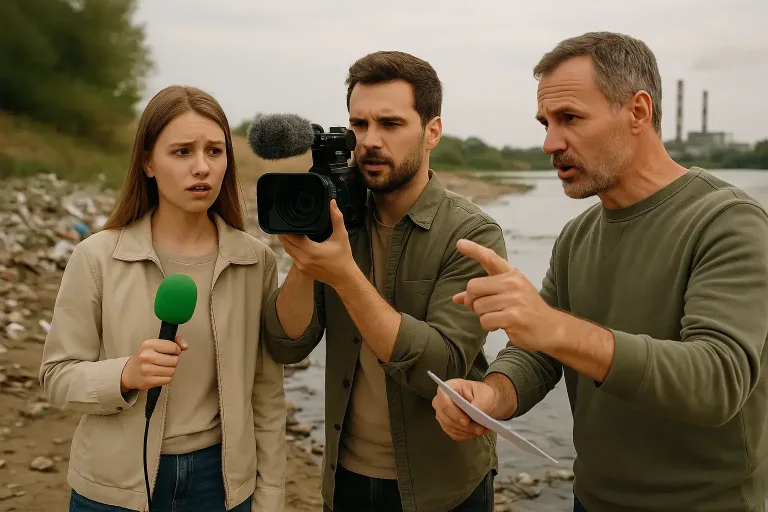
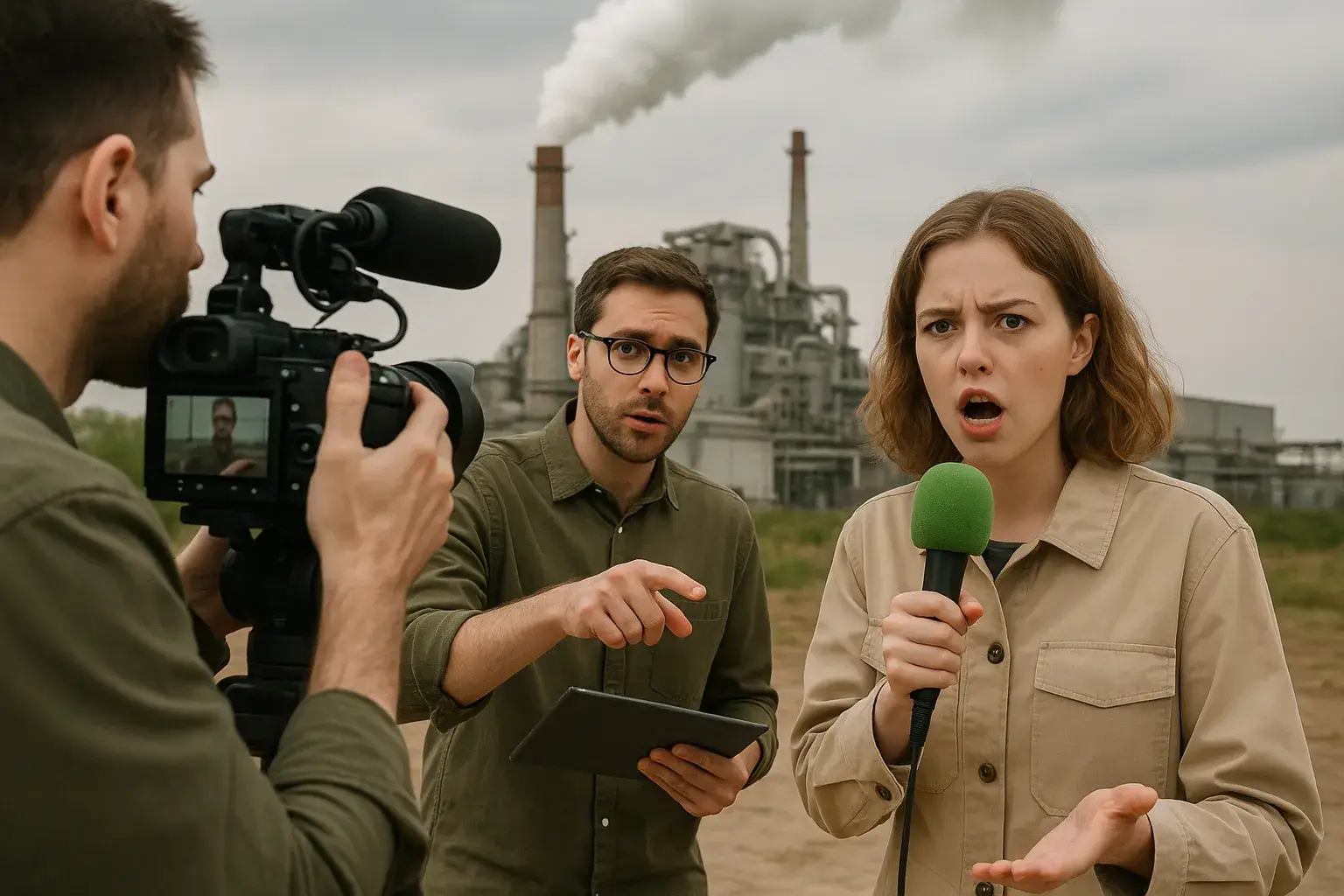
Naberezhnye Chelny sits on the Kama River and is home to large industrial enterprises. That mix creates fertile ground for environmental stories that matter to residents: air and water quality, waste management, green spaces, and the human side of industrial change. Teaching environmental journalism here builds local capacity to report responsibly, engage communities, and promote sustainable choices.
Goals of a local course or program
— Equip students with scientific basics they need to interpret environmental data.
— Teach journalism skills: reporting, interviewing, fact-checking, multimedia storytelling.
— Foster community partnerships and hands-on investigations.
— Promote eco-friendly behavior in schools and neighborhoods through reporting and practice.
— Produce local stories and projects that influence public understanding and decision-making.
Core curriculum (modules)
1. Environmental fundamentals
— Local ecosystems (Kama River, riparian zones), pollution sources, seasonal effects (winter inversion).
— Basics of air, water and soil quality indicators.
2. Journalism essentials
— News values, investigative methods, ethics, source verification.
— Interviewing affected residents, specialists, and industry/community leaders.
3. Data literacy & science communication
— Reading monitoring reports, interpreting graphs, basic statistics.
— Translating technical findings for the public.
4. Multimedia reporting
— Photography, audio, video, podcasting, social media (Telegram, VK, YouTube).
5. Citizen science & community engagement
— Designing community monitoring projects, crowdsourced mapping, public events.
6. Project management & impact assessment
— Planning reporting campaigns, measuring audience and community outcomes.
Active learning methods (adapted to the city)
— Field trips: riverbank surveys, park biodiversity walks, visits to municipal waste facilities.
— Hands-on monitoring: low-cost PM2.5 sensors, simple water-testing kits, noise meters.
— Reporting labs: produce short radio spots, photo essays, or local Telegram series.
— Role play: public hearings, stakeholder panels (residents, factory rep, officials).
— Community assignments: school waste audit, tree-planting coverage, interviews with pensioners about environmental change.
Tools and digital resources
— Low-cost sensors and smartphone attachments for air/water sampling.
— Free mapping and visualization: Google/My Maps, QGIS basics for advanced classes.
— Citizen science platforms: iNaturalist for biodiversity, global air quality apps for contextual data.
— Social publishing: local Telegram channels, YouTube, school websites, and local print/radio partners.
Partnerships and community links
— Local schools and universities — for student recruitment and shared labs.
— Municipal environmental or urban planning departments — for data and site access.
— Industry partners (e.g., manufacturing employers) — for facility tours, expert interviews, and potential sponsorships.
— Local media outlets — for publishing student work and mentoring.
— Community groups and volunteers — for outreach and citizen-science collaboration.
Eco-friendly practices to model in class and school
— Reduce paper: digital submissions, shared drives, reusable whiteboards.
— Waste-minimization: recycling stations, classroom compost where feasible.
— Energy and transport: promote public transit, carpooling, cycling, and walking for field trips.
— Green projects: native-tree plantings, school gardens, and restoring small riparian plots.
— Event sustainability: zero-waste reporting days, reusable materials.
Sample semester projects
— “Air in My Neighborhood”: map PM2.5 across several districts and produce an interactive story.
— “Kama River Watch”: monthly water-quality log with photo essays on shore-use impacts.
— “Waste Audit & Solutions”: measure school waste streams, report findings, propose a pilot recycling program.
— “Voices of the Plant”: interviews with factory workers and residents on health, safety, and change.
Assessment and impact measurement
— Evaluate reporting for accuracy, clarity, sourcing, and ethical standards.
— Track community engagement: views, shares, attendance at events, follow-up actions (policy dialogue, cleanup).
— Use pre-/post-surveys to measure changes in student and audience knowledge or behavior.
Funding and sustainability ideas
— Small grants from municipal programs or corporate social responsibility funds.
— Crowdfunding or community sponsorship for equipment (sensors, cameras).
— Partnerships with regional universities for shared lab time and expertise.
— Publishing student work in local media to build program visibility and attract support.
Practical tips for instructors
— Start small: one project per term that produces publishable work.
— Build safety protocols for fieldwork (weather, industrial sites, water sampling).
— Emphasize ethics and balanced reporting—verify claims, give right of reply.
— Use local stories to teach universal skills; students relate when the beats affect their families.
— Celebrate and publicize student projects to motivate participation and community uptake.
Final note
Teaching environmental journalism in Naberezhnye Chelny is an opportunity to connect scientific literacy, civic engagement, and storytelling. By combining practical skills, local partnerships, and eco-friendly practices, programs can empower the next generation of reporters to inform policy, inspire action, and make the city healthier and more resilient.