Teaching Environmental Journalism and Eco‑Friendly Practices in Naberezhnye Chelny
Why this matters for Naberezhnye Chelny
Naberezhnye Chelny sits on the Kama River and is home to large industrial employers (notably KAMAZ). That mix of industry, river ecosystems and urban communities makes environmental reporting vital for public health, local policy and civic engagement. Teaching environmental journalism here builds skills to investigate pollution, document biodiversity, hold decision‑makers accountable, and promote greener everyday practices.
Learning goals for a local course
Participants should be able to:
— Understand core environmental issues in the region (water quality, air pollution, industrial impacts, waste management, urban green spaces).
— Report accurately on environmental science and translate technical data for residents.
— Use low‑cost tools for fieldwork: air sensors, water testing kits, photos, audio and mobile mapping.
— Apply ethical reporting standards and safety practices when covering industrial sites.
— Produce multimedia stories that influence public awareness and local policy.
Course structure (6–8 sessions, adaptable)
— Session 1 — Introduction & local context
— Overview: Kama River, industrial profile, municipal environmental responsibilities.
— Basic environmental science for journalists (pollutants, indicators, sources).
— Session 2 — Sourcing and data literacy
— Reading monitoring reports (Rosprirodnadzor, Roshydromet), Open Data portals.
— Evaluating scientific studies and press releases from industry.
— Session 3 — Field methods & safety
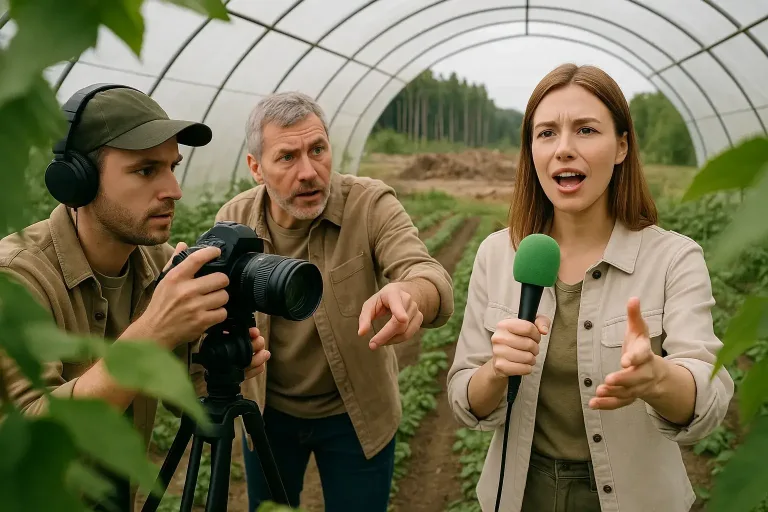
— Water and air sampling basics, photographing sites, interview techniques with residents and experts.
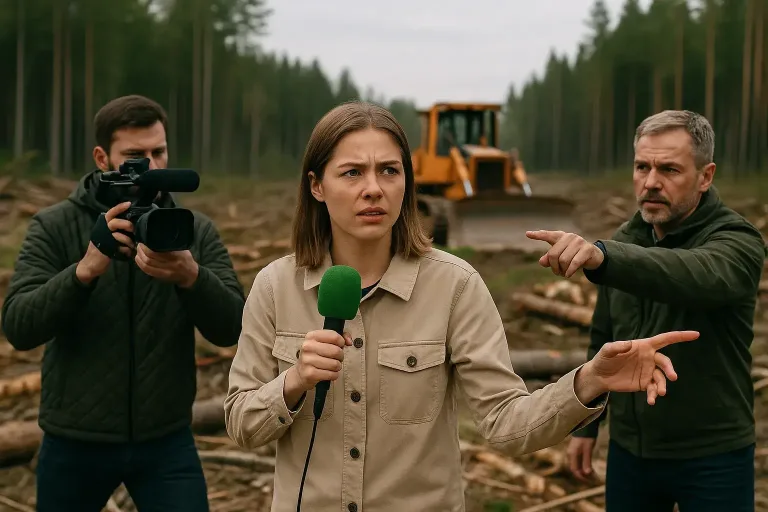
— Safety and legal boundaries for reporting near industrial facilities.
— Session 4 — Storytelling & multimedia
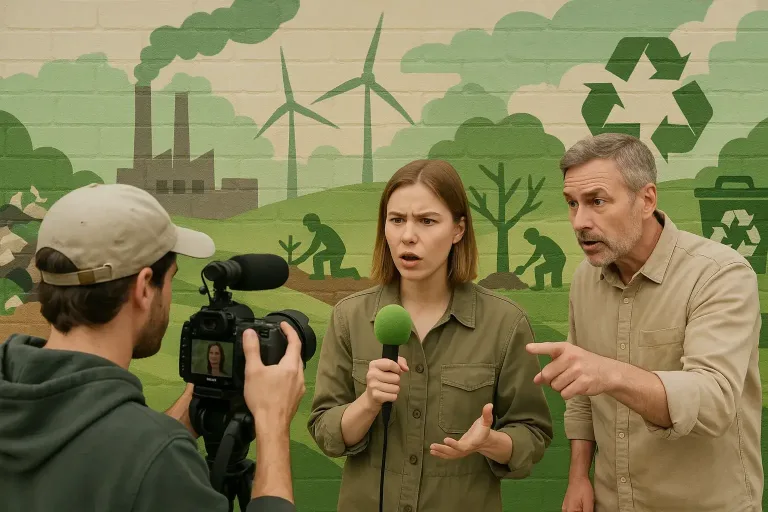
— Structure for explanatory stories, data visualization, audio and video techniques for mobile devices.
— Session 5 — Ethics, local languages & community engagement
— Informed consent, representing vulnerable groups, using Russian and Tatar to reach audiences.
— Session 6 — Publishing, impact & follow‑up
— Channels (local outlets, social media, community newsletters), measuring impact, working with NGOs.
— Optional sessions: investigative techniques, crowdfunding for projects, citizen science partnerships.
Practical classroom activities and assignments
— Short assignment: Write a 600–800 word explainer about a recent local environmental report.
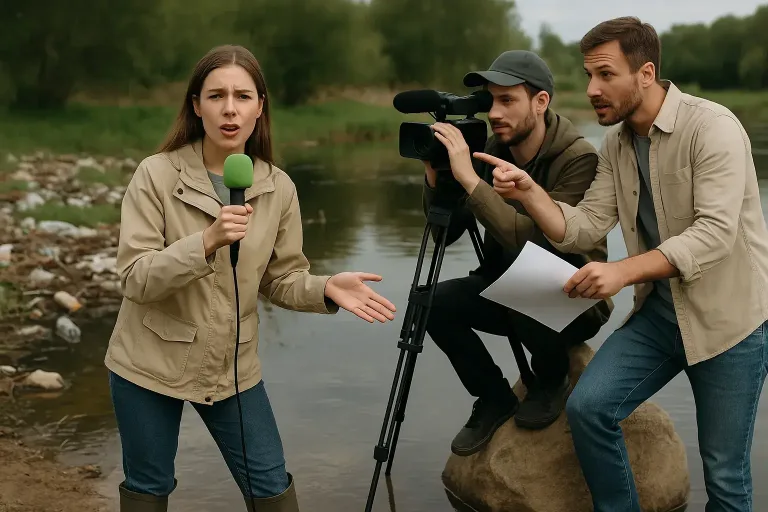
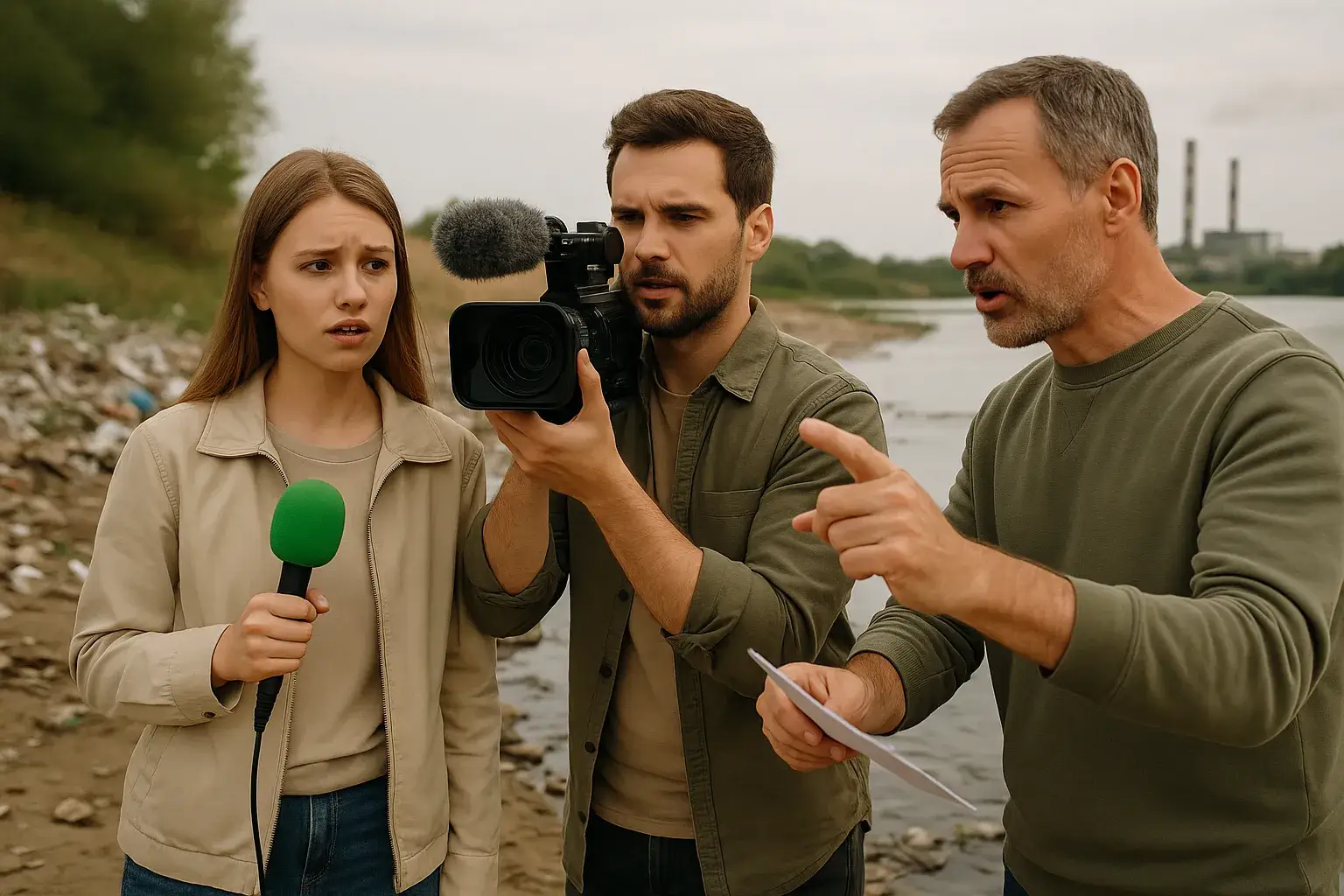
— Field assignment: Conduct a basic water quality visual audit of a Kama River access point and produce a photo + 300‑word captioned report.
— Data assignment: Download air quality or emissions data for the past year and create a simple chart showing trends.
— Community project: Run a neighborhood waste audit and publish findings with recommendations.
Local story ideas specific to Naberezhnye Chelny
— How is the Kama River used now? Industry, recreation, and seasonal patterns.
— Citizen observations vs. official air‑quality readings: are residents’ experiences reflected in public data?
— Plastic and household waste flows in the city: where does it go?
— Green space access and health outcomes across different neighborhoods.
— Labor and environment: how factory emissions are monitored, and how workers and residents are affected.
— Voices of traditional users of the river (fisherfolk, boaters) and changes over decades.
Tools and data sources (national + global)
— Rosprirodnadzor (Federal Service for Supervision of Natural Resources) — monitoring reports and complaints.
— Roshydromet — weather and some air quality data.
— Local municipal open data portals — city planning, waste collection schedules.
— iNaturalist — citizen biodiversity observations.
— OpenAQ and other global air quality aggregators.
— Scientific journals and preprints for background studies.
Ethical and legal checklist
— Verify technical claims with at least one independent expert or dataset.
— Disclose methodology for any citizen science or crowd‑sourced data.
— Respect private property and safety rules around industrial sites; use public records requests where necessary.
— Use both Russian and Tatar where relevant to reach diverse audiences and avoid linguistic exclusion.
Teaching methods that work well locally
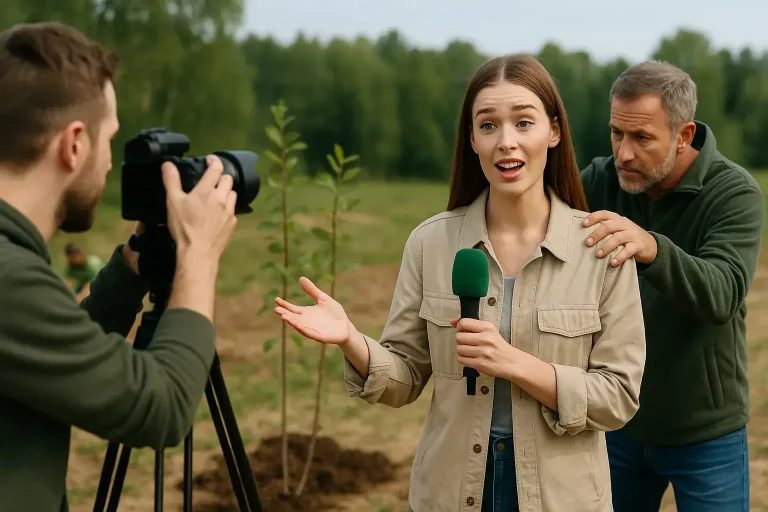
— Learn by doing: short, supervised field trips to river points, parks, waste collection sites.
— Pair journalists with environmental scientists or local NGO experts for co‑mentoring.
— Use bilingual materials (Russian + Tatar) and invite local community leaders to class.
— Hybrid delivery: in‑person fieldwork + online instruction to reduce travel and increase accessibility.
Eco‑friendly practices for running workshops
— Go paperless: share slides and handouts digitally; encourage participants to bring laptops or tablets.
— Low‑carbon travel: choose central locations reachable by public transit; schedule sessions to reduce repeat trips.
— Catering: source local, seasonal foods; avoid single‑use plastics; provide water stations with reusable cups.
— Materials: reuse name tags, use recyclable signage, choose sustainable printing only when necessary.
— Offset thoughtfully: if travel emissions are significant, prioritize local offsets and support regional conservation projects.
Building partnerships and funding
Potential partners
— City environmental department and municipal press office.
— Regional environmental NGOs and community groups.
— Local universities and research institutes (Kazan Federal University and others in Tatarstan) for scientific support.
— Local media outlets and independent online platforms for publication and reach.
Funding ideas
— Small grants from regional foundations, EU cross‑border programs (if applicable), or national media development funds.
— Sponsored data‑driven projects with clear editorial independence.
— Community crowdfunding for specific reporting projects.
Measuring impact
Track quantitative and qualitative indicators:
— Number of published stories, unique audience reach, social shares.
— Tangible outcomes: municipal responses, policy discussions, follow‑up investigations.
— Community engagement: workshop attendance, participant projects continuing after training.
— Media partnerships and reprints in regional outlets.
Sample micro‑curriculum (one‑day workshop agenda)
— 09:00 — Welcome, local context and learning goals.
— 09:30 — Quick primer: environmental data sources and how to read them.
— 10:15 — Field session: visual audit / simple water/air observation.
— 12:00 — Lunch (eco‑friendly).
— 13:00 — Storyshop: turning field notes into a publishable piece.
— 15:00 — Ethics + engaging local communities (Russian/Tatar).
— 15:45 — Next steps: pitching stories and connecting with local outlets.
— 16:30 — Feedback and certificates.
Quick promotion blurb you can use
Join our hands‑on workshop: Learn how to investigate air, water and waste issues in Naberezhnye Chelny, translate science into clear stories, and produce reporting that helps communities make smarter environmental choices. No prior experience required — bring a smartphone.
Final tips for local trainers
— Start small: pilot with 10–