Teaching Environmental Journalism and Eco-Friendly Practices in Naberezhnye Chelny
Introduction
Naberezhnye Chelny—an industrial and river-city in the Republic of Tatarstan, home to the Kama River and major employers such as KamAZ—offers a rich, locally grounded setting for teaching environmental journalism. This guide gives teachers, school administrators, and community educators practical curriculum ideas, field activities, eco-friendly course practices, and project templates tailored to the city’s social and environmental context.
Why teach environmental journalism here?
— Builds local civic awareness about industrial impacts, river health, waste management, air quality and urban green space.
— Trains young people to gather, verify and communicate environmental data responsibly.
— Connects schools with local stakeholders (residents, industry, municipal services, NGOs) and amplifies community voices.
— Encourages sustainable behavior in school operations and local campaigns.
Core skills and curriculum modules
— *Basics of journalism*: interviewing, source verification, structure (news, feature, op-ed), ethics.
— *Environmental science essentials*: local ecosystem basics (Kama River, urban ecosystems), pollution types, data interpretation.
— *Data journalism*: reading datasets, simple mapping, charts, open data sources.
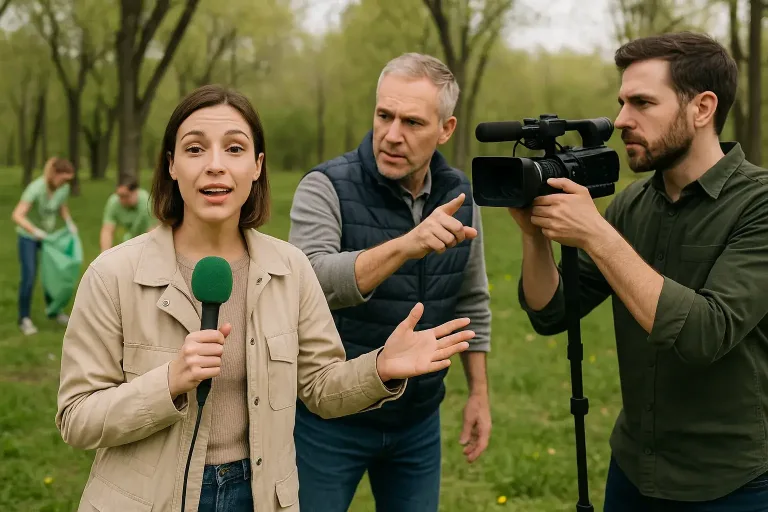
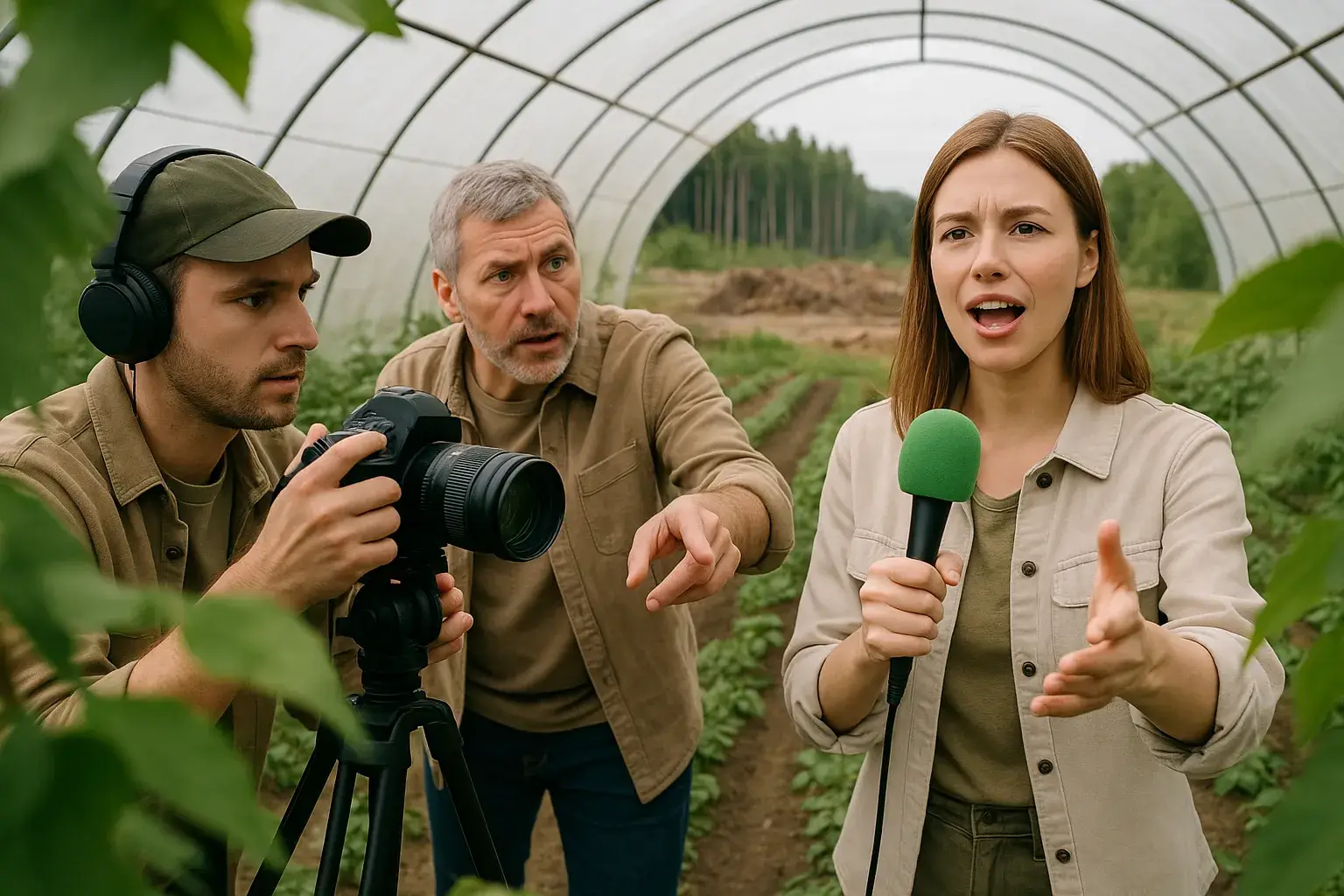
— *Multimedia storytelling*: photography, audio reporting, short video, social media.
— *Investigative methods*: FOI requests, protest and policy reporting, analyzing corporate statements and emissions reports.
— *Community engagement*: participatory reporting, citizen science collaborations.
Practical classroom activities
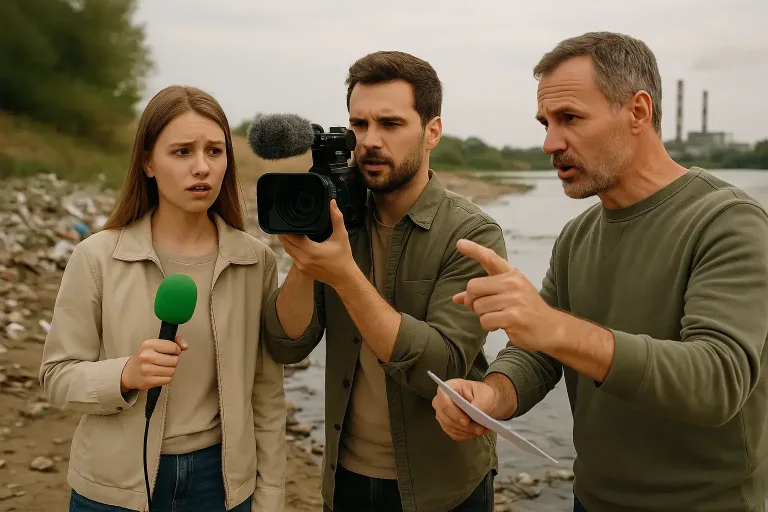
— Field observations on the Kama River: visual documentation, basic water-clarity notes, interview fishermen/residents.
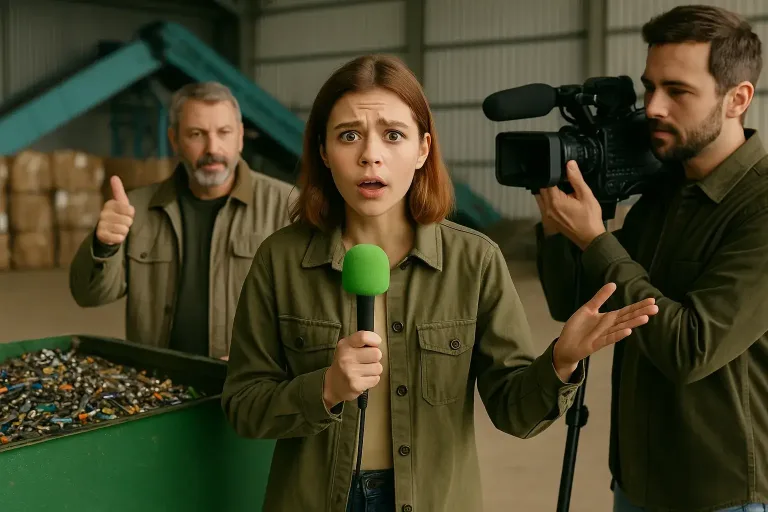
— Waste audit of school or neighborhood: categorize waste, quantify volumes, produce short reports.
— Air-quality storytelling: use low-cost sensors or public data to compare neighborhoods and tell human-centered stories.
— Source tracing exercise: follow a local environmental claim through documents, interviews and data.
— Photo-essay and radio segments about a local green space or industrial site.
— Role-play press conferences with municipal and corporate stakeholders.
Community projects and fieldwork ideas
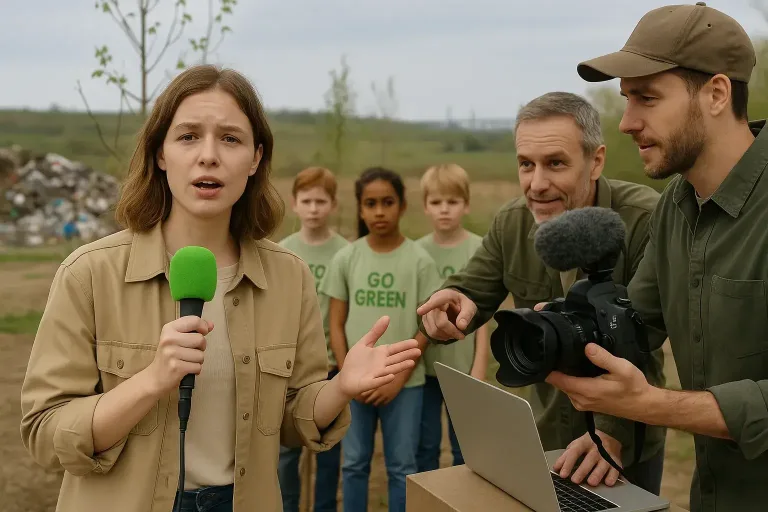
— School-run environmental beat: regular reportage for a classroom blog, local paper or radio segment.
— Citizen science campaigns: partner with apps like iNaturalist for biodiversity or simple water testing kits for community sampling.
— Local oral-history project about industrial change and its environmental consequences.
— Public information campaigns on waste separation and reduced single-use plastics.
— Short documentary on how the Kama River shapes local life and economy.
— Collaboration with local NGOs, community centers and youth organizations for outreach.
Eco-friendly course operations
— Go paper-light: digital submissions, shared online resources and QR-linked handouts.
— Use recycled materials for field kits and posters; avoid single-use plastics at events.
— Host walking or bike-based field trips; prefer public transport.
— Organize zero-waste events: reusable name tags, compostable snacks, clear recycling stations.
— Set up a school native-plant patch or small vegetable garden as an ongoing classroom lab.
Safety, ethics and permissions
— Always obtain parental consent for minors during fieldwork and media publication.
— Use protective gear around industrial sites and follow workplace/site safety rules.
— Respect privacy and informed consent in interviews and photography.
— Use reliable data sources and clearly label claim vs. opinion in stories.
— When investigating pollution or sensitive issues, balance public interest with legal and safety considerations.
Partnerships and funding sources (local approach)
— Approach municipal environmental departments and local administrations for data, speakers and field access.
— Engage local universities/colleges and technical schools for mentorship and lab access.
— Invite corporate partners (e.g., major employers) for CSR-funded school projects—insist on editorial independence for student journalism.
— Seek small grants from regional foundations, national youth/environmental funds, and crowdfunding for equipment (audio recorders, sensors, cameras).
— Collaborate with local NGOs and community groups for outreach and verification.
Sample 8-week workshop (after-school or elective)
Week 1: Introduction to environmental journalism + local context (Kama River, industry, common issues)
Week 2: Reporting basics — interviewing, ethics, story structure
Week 3: Environmental science primer + simple data literacy
Week 4: Fieldwork day — water/waste/audit; safety and sampling protocols
Week 5: Multimedia skills — photography and audio storytelling
Week 6: Data stories — simple mapping and charts; turning findings into stories
Week 7: Community reporting — publish pieces, prepare a public event or radio spot
Week 8: Exhibition, reflection, evaluation and next steps (campaign planning)
Assessment and impact metrics
— Number of published stories and their reach (school blog, local media, radio).
— Measurable behavior changes: increased recycling, reduced single-use items at school, student commute shifts.
— Community engagement: attendance at events, petition signatures, municipal responses to student reporting.
— Skills assessment: portfolio review (projects, interviews, multimedia pieces) and reflective logs.
Story ideas specific to Naberezhnye Chelny
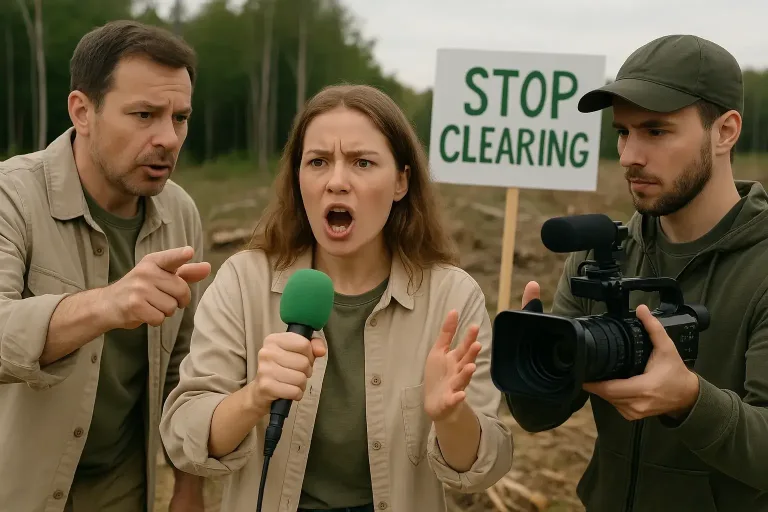
— Investigate how traffic and industrial emissions affect air quality in different districts.
— The health of the Kama River: seasonal changes, small-scale pollution sources, local livelihoods.
— Waste management practices: where does local waste go? Are recycling streams effective?
— Worker perspectives: how factory modernization affects environment and worker health.
— Urban green spaces: mapping parks, accessibility, and neighborhood initiatives for greening.
— Youth environmental activism: spotlight school or student-led green projects.
Quick checklist for teachers and schools
— Secure permissions and safety protocols for fieldwork.
— Prepare a list of local contacts (municipal services, NGOs, civic leaders).
— Assemble low-cost equipment: smartphone with good camera, portable audio recorder, water-test kits, clipboards.
— Create a publication outlet: blog, social media channel, school radio slot or partnership with local paper.
— Build a simple rubric for student work and a plan to amplify selected stories publicly.
Final notes
Teach in the languages of the community (Russian and Tatar where appropriate) to maximize inclusion. Start small—one project that documents a visible local issue can spark interest, partnerships and real civic outcomes. If you’d like, I