Teaching Environmental Journalism and Eco-Friendly Practices in Naberezhnye Chelny
Why teach environmental journalism here and now
Naberezhnye Chelny is an industrial city on the Kama River with a mix of heavy industry, urban development, and riverine ecosystems. That mix creates urgent, local stories about air and water quality, waste management, green spaces, and community health. Teaching environmental journalism here empowers residents — especially youth — to research, report, and advocate for practical, locally relevant solutions using ethical, evidence-based storytelling.
Program goals
— Build knowledge of environmental science basics and local ecology (Kama River, urban green zones).
— Teach journalistic skills: reporting, interviewing, data literacy, multimedia production.
— Foster environmental ethics and *eco-friendly* teaching/learning practices.
— Produce community-centered reporting that informs public debate and local decision-making.
Target audiences
— High-school and university students (age 15–25).
— Local journalists and citizen reporters.
— Community activists and NGO volunteers.
— School teachers seeking to add environmental topics to curricula.
Suggested program structure
Duration: 8–12 weeks (weekly 2–3 hour sessions)
Format: mix of classroom workshops, field reporting trips, and a capstone publication/project
Core modules:
1. Introduction to environmental journalism — role, ethics, and local context
2. Local ecology & common environmental problems (air, water, soil, waste)
3. Reporting basics — sourcing, interviewing, fact-checking
4. Data & science literacy — reading reports, understanding measurements, FOIA requests
5. Multimedia storytelling — photo, audio, video, social media
6. Investigative techniques — document searches, open data, community interviews
7. Community engagement & impact — how to publish, work with NGOs, host forums
8. Capstone: produce a publishable story or multimedia package and a short outreach plan
Teaching methods and activities
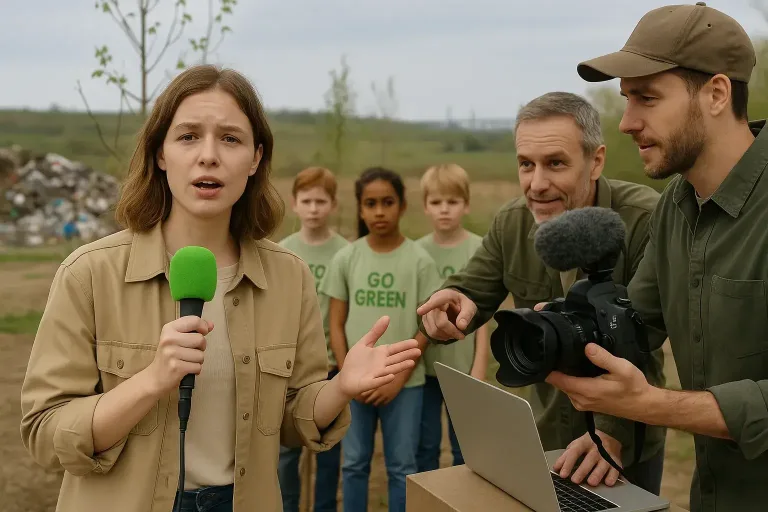
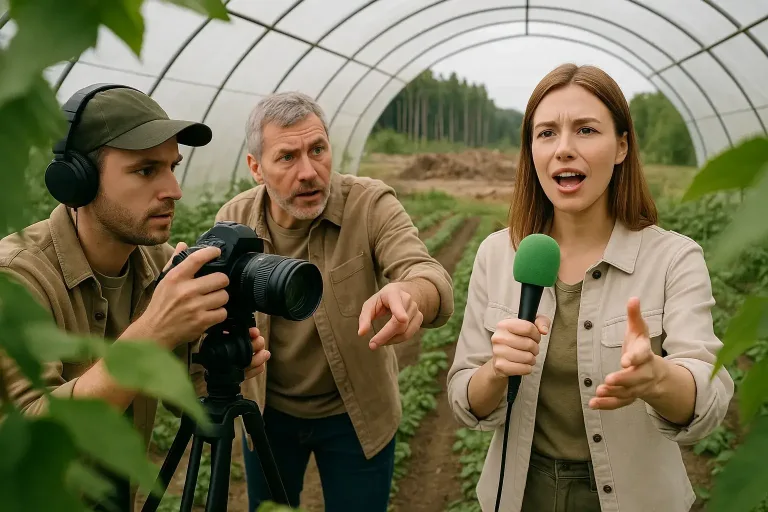
— *Project-based learning*: Each student/team completes at least one publishable story.
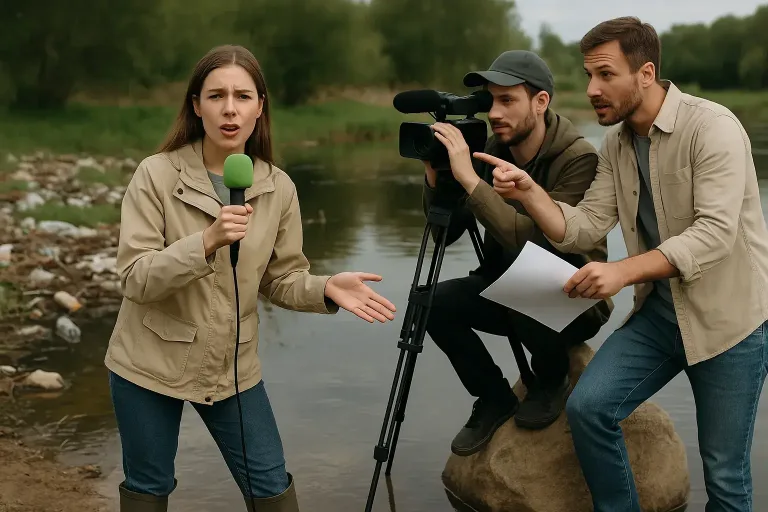
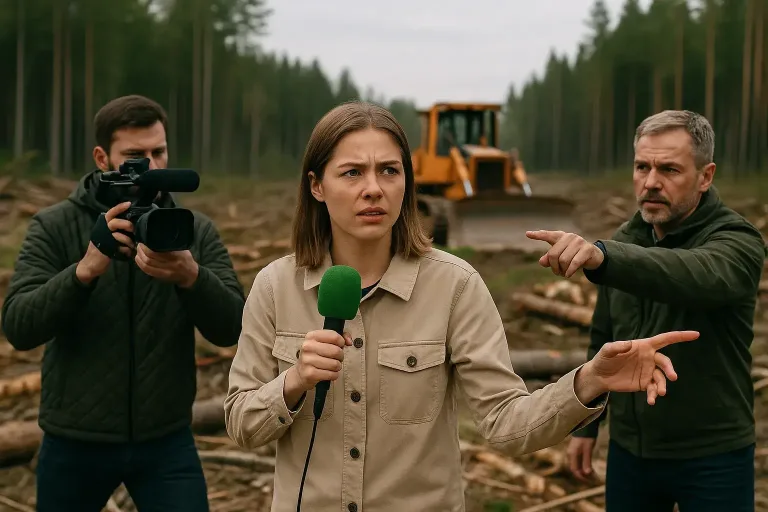
— *Fieldwork*: River sampling sessions, air-quality observation near industrial zones, waste audits in neighborhoods.
— *Guest experts*: Invite municipal environmental officials, NGO activists, scientists, and local editors.
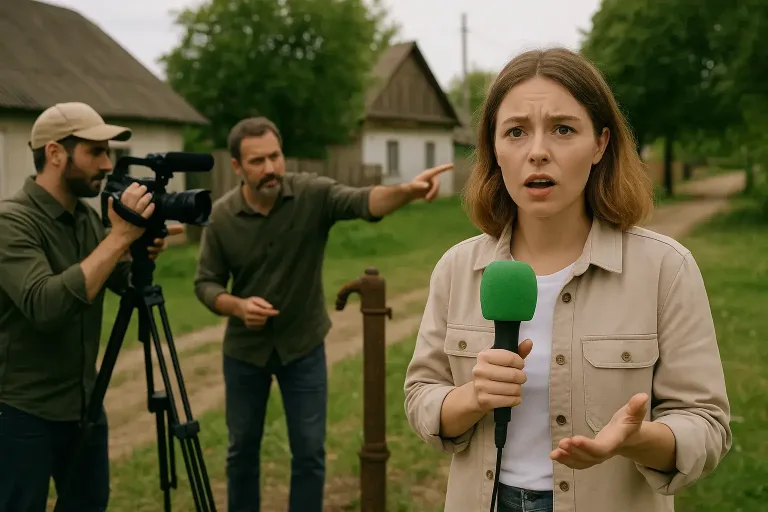
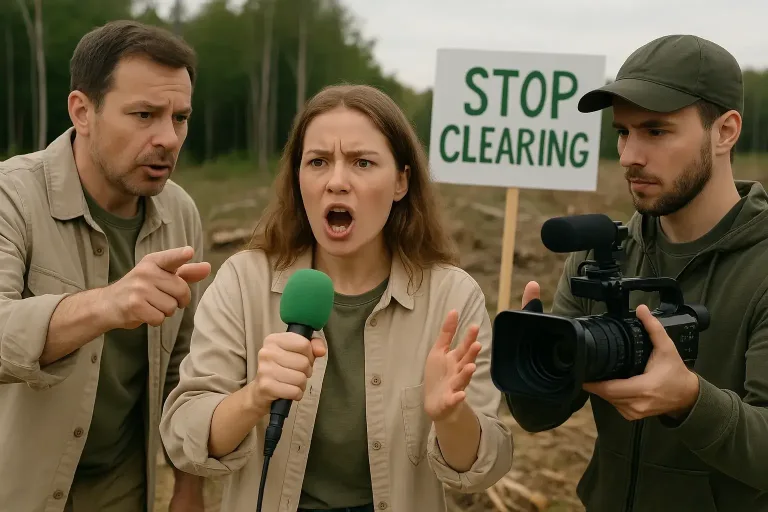
— *Role play*: Press conferences, stakeholder interviews (industry, regulators, residents).
— *Data labs*: Work with local environmental reports, open data portals, and simple sensors (e.g., low-cost air monitors).
— *Peer review and editorial process*: Teach revisions, corrections, and transparency.
Sample 1-session lesson plan (2–3 hours)
— 15 min: warm-up — local environmental news roundtable
— 30 min: mini-lecture on sourcing & scientific literacy (reading monitoring reports)
— 45 min: practical exercise — analyze a local water-quality table or an air-monitor graph
— 30–45 min: workshop — outline a 500–800 word local report; assign roles for fieldwork
— Homework: interview one local resident and collect one piece of data (photo, measurement, document)
Capstone project ideas (local story angles)
— Investigative piece: emissions and air quality trends near industrial districts
— Community profile: residents living along the Kama River and how seasonal changes affect them
— Solutions story: neighborhood composting pilot and its scalability
— Data-driven brief: trends in municipal waste collection and recycling rates
— Multimedia package: short video tour of an urban green space and its ecosystem services
— School initiative: student-run eco-newsletter and plastic-free challenge
Eco-friendly teaching practices (operate green while you teach)
— Go digital-first: distribute materials electronically; use cloud collaboration.
— Low-impact field trips: encourage walking, biking, or public transport; choose nearby sites.
— Reusable supplies: use whiteboards and washable markers instead of single-use paper when possible.
— Reduce waste: provide water stations and reusable cups for longer events.
— Energy-aware: schedule sessions in daylight, choose energy-efficient venues.
— Support local: source snacks and materials from local vendors to reduce transport footprint.
Partnerships and community engagement
Potential partners to approach:
— Municipal environmental department and education department (for permissions and local data).
— Local NGOs and volunteer groups focused on river, air, or waste issues.
— Local media outlets, radio, and community newspapers (for publishing student work).
— Schools, colleges, and youth centers (to recruit participants).
— Local businesses and industry—seek interviews and, where appropriate, access with safety protocols.
Safety, permissions, and ethics
— Industrial and restricted sites (factories, riverbanks near docks): obtain written permission and site-specific safety briefings; use PPE as required.
— Water sampling: follow safety guidelines, wear life jackets near open water, and never sample alone.
— Respect privacy: obtain consent for interviews and photos; follow ethical guidelines for vulnerable groups.
— Verify data: corroborate scientific or technical claims with experts and cite sources.
Assessment and outcomes
— Formative: weekly assignments, peer feedback, field notebooks.
— Summative: publishable story or multimedia package; public presentation or community event.
— Impact indicator examples: stories published in local media, community meetings triggered, policy or municipal response, measurable behavior-change initiatives (e.g., new neighborhood recycling points).
Resources and tools (low-cost)
— Smartphones for audio/photo/video.
— Free editing and publishing platforms (blog/CMS, audio editors).
— Low-cost sensors for air/water (for demonstration and indicative data only; verify with experts).
— Local libraries and municipal reports for background data.
Tips for local success
— Localize every lesson — use Naberezhnye Chelny examples, language (Russian/Tatar where relevant), and stakeholders.
— Start small — run a weekend bootcamp before committing to a semester-long program.
— Prioritize trust-building with communities, industry, and city officials to secure access and data.
— Aim for tangible outcomes — small wins (a published story, a community talk) build momentum.
Final note
Teaching environmental journalism in Naberezhnye Chelny can create informed citizens and stronger local reporting while modelling sustainable teaching practices. Start with a clear curriculum, local partnerships, safe fieldwork, and a focus on publishable, community-centered projects that spark local conversation and solutions.